Get Propane Line Installation
Propane line installation services help property owners safely set up propane supply systems for appliances, heating, and outdoor projects by connecting with experienced local contractors.
Property owners exploring propane line installation often seek reliable solutions to support their heating, cooking, or outdoor needs. Whether planning a new setup or upgrading an existing system, understanding the options available locally can help ensure the project meets specific property requirements. Comparing services from nearby contractors allows property owners to find experienced providers capable of handling various installation scenarios with confidence.
Continuing with the right service provider is essential for a smooth and efficient process. Local contractors specializing in propane line installation can offer valuable insights into planning and executing the work effectively. Property owners are encouraged to explore their options and connect with experienced professionals who can assist in creating a safe and functional propane system tailored to their property’s needs.
- Propane Line Installation - needed when installing a new propane system for residential or commercial properties.
- Propane Line Repair - required when experiencing leaks, damage, or issues with existing propane lines.
- Propane Line Replacement - necessary for upgrading or replacing outdated or compromised propane piping.
- Propane Line Extension - needed when expanding a property’s propane system to additional areas or appliances.
- Propane Line Inspection - recommended for routine checks to ensure safety and proper functioning of propane piping.
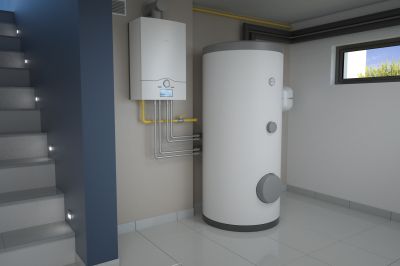
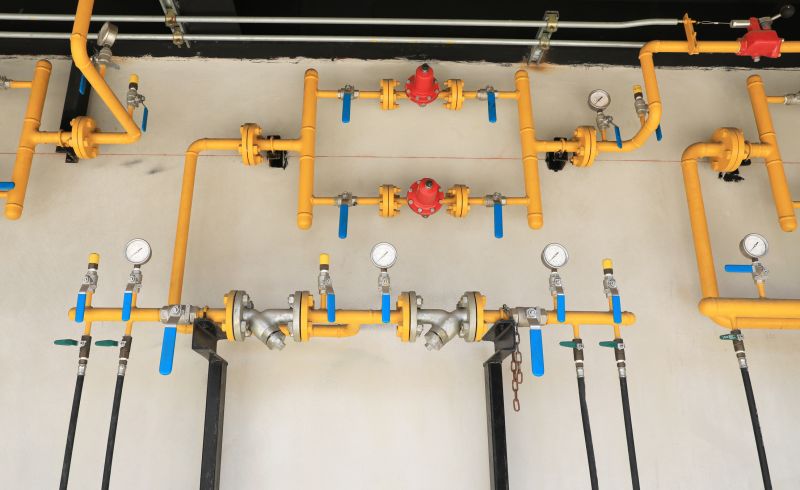
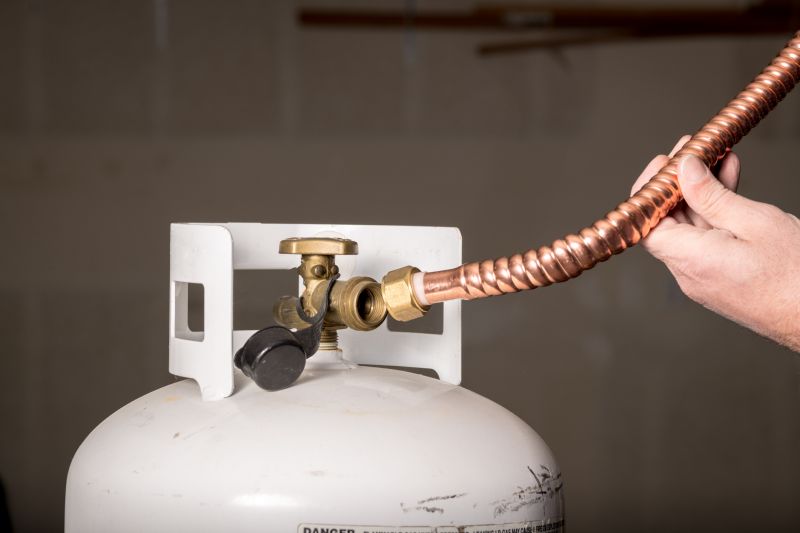
Propane line installation services involve setting up the piping system that supplies propane gas from a storage tank to various appliances within a property. This process includes carefully planning the route of the lines, installing durable piping, and ensuring all connections are secure and leak-free. Proper installation is essential for safe and efficient operation of propane-powered equipment, such as stoves, water heaters, fireplaces, and outdoor grills. Experienced contractors focus on adhering to safety standards and local codes, providing homeowners with a reliable propane supply tailored to their specific needs.
Many common problems can be addressed through professional propane line installation. For instance, outdated or damaged lines can lead to leaks, which pose safety risks and can cause inefficient appliance operation. In some cases, homes or properties that previously relied on different fuel sources may require new or upgraded propane lines to accommodate new appliances or increased demand. Additionally, properties that are being renovated or expanded might need additional piping to support new features or appliances. Local contractors can evaluate existing systems, identify potential issues, and install new lines to ensure the propane supply functions safely and effectively.
Properties that typically use propane line installation services include single-family homes, multi-unit residential buildings, and certain commercial or agricultural properties. Homes with outdoor kitchens, fireplaces, or backup generators often require dedicated propane lines to supply their appliances. Rural properties or homes located away from natural gas lines are more likely to depend on propane, making proper piping essential for consistent service. Commercial establishments such as restaurants or farms may also need specialized propane line setups to power equipment efficiently. Contractors can customize solutions to meet the specific requirements of each property type, ensuring safe and reliable propane delivery.
Homeowners who are considering installing new propane appliances or upgrading their existing systems might find professional propane line installation necessary. This service helps solve issues related to inadequate or unsafe piping, ensuring that appliances operate smoothly and safely. It is also essential when expanding a property’s capacity or relocating appliances that depend on propane. By working with experienced service providers, property owners can ensure that their propane systems are installed correctly, reducing the risk of leaks or malfunctions. Contacting local contractors for this work provides a practical way to address propane supply needs across a variety of property types.
The overview below groups typical Propane Line Installation projects into broad ranges so you can see how smaller, mid-sized, and larger jobs often compare in your area.
In many markets, a large share of routine jobs stays in the lower and middle ranges, while only a smaller percentage of projects moves into the highest bands when the work is more complex or site conditions are harder than average.
Smaller Repairs - Minor propane line repairs or adjustments typically cost between $250 and $600. Many routine jobs fall within this range, covering tasks like leak fixes or small component replacements. Larger or more complex repairs may exceed this range, depending on the scope.
Line Extensions - Extending existing propane lines usually costs between $600 and $1,500. This includes adding new connections or extending lines to new appliances or outdoor setups. Most projects in this category stay within this range, with some larger extensions reaching higher costs.
Full Line Replacement - Replacing an entire propane line system can range from $2,000 to $5,000 or more. Larger, more complex installations, such as upgrades for multiple appliances or extensive property coverage, tend to push costs toward the higher end of this spectrum.
Complex or Custom Installations - Custom propane line setups or projects involving difficult access can vary widely, often exceeding $5,000. These jobs are less common and typically involve specialized work that requires extensive planning and materials.
Actual totals will depend on details like access to the work area, the scope of the project, and the materials selected, so use these as general starting points rather than exact figures.
Natural Gas Line Installation - involves planning and installing pipelines for natural gas, which shares similar skills and tools with propane line setups.
Gas Appliance Hookup - requires connecting appliances to gas lines, utilizing similar knowledge of gas piping and safety considerations as propane line installation.
LP Gas Tank Installation - includes setting up propane tanks and connecting them to gas lines, requiring expertise in planning and secure connections.
Outdoor Kitchen Plumbing - involves installing gas lines for outdoor cooking appliances, sharing planning and piping skills with propane line services.
Fire Pit Gas Line Installation - entails installing gas lines for fire pits, which involves similar routing and connection techniques as propane line work.
HVAC Gas Line Services - includes installing and maintaining gas lines for heating systems, requiring precise planning and piping skills comparable to propane line installation.
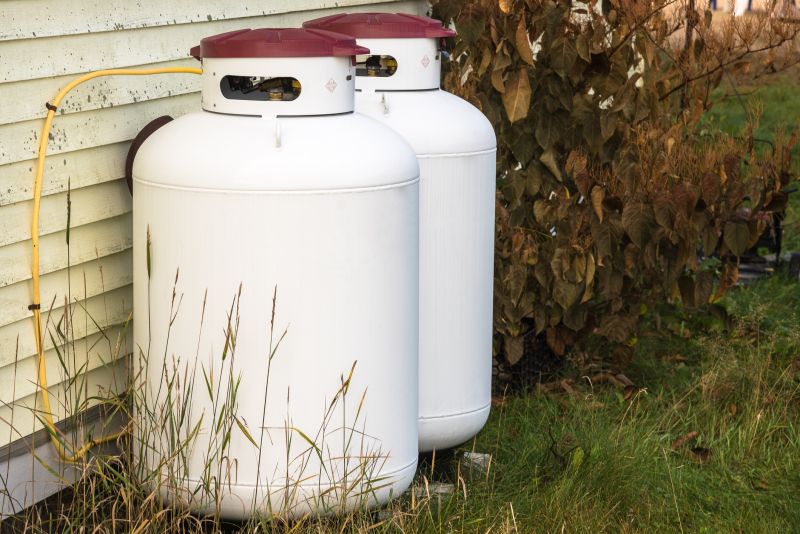
When evaluating service providers for propane line installation, it’s important to consider their experience with similar projects. Homeowners should look for local contractors who have a track record of successfully completing propane line work in residential settings. An experienced professional will have a better understanding of common challenges and best practices, helping to ensure the installation is performed efficiently and correctly. Gathering information about past projects or asking for examples of comparable work can provide insight into a contractor’s familiarity with the specific requirements of propane line installation.
Clear, written expectations are essential to ensure that both the homeowner and the contractor are aligned on the scope of work. When comparing local service providers, it’s helpful to review detailed estimates or project descriptions that outline the work to be done, materials to be used, and any other relevant details. This transparency helps prevent misunderstandings and provides a basis for evaluating whether a contractor’s approach matches the homeowner’s needs. Clear communication about expectations also sets the foundation for a smooth project process and fosters confidence in the chosen professional.
Reputable references and good communication are key factors in selecting a reliable contractor. Homeowners should seek out local pros who can provide references from previous clients, especially those who had similar propane line projects. Contacting these references can offer valuable perspectives on the contractor’s professionalism, punctuality, and quality of work. Additionally, a service provider’s responsiveness and clarity in communication during the inquiry process can indicate their level of professionalism and commitment to customer service. These qualities contribute to a positive working relationship and help ensure the project proceeds as planned.
Property owners use Propane Line Installation services for practical projects around their homes and businesses. This guide focuses on everyday jobs and straightforward project options.
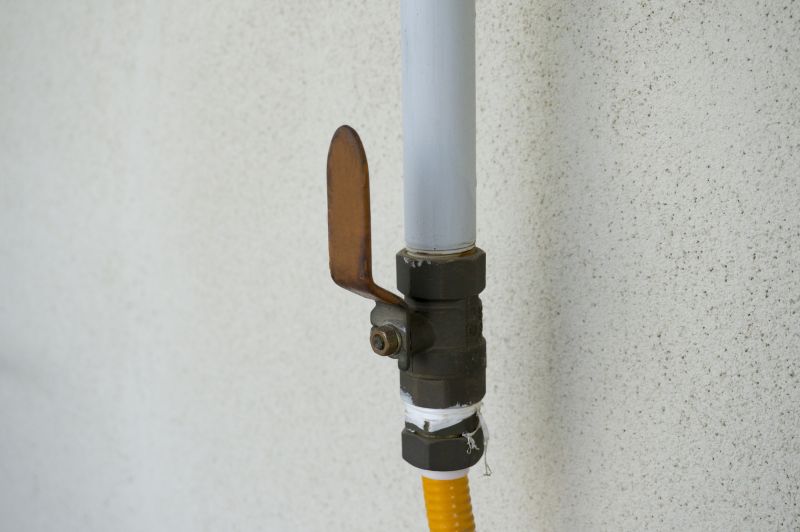
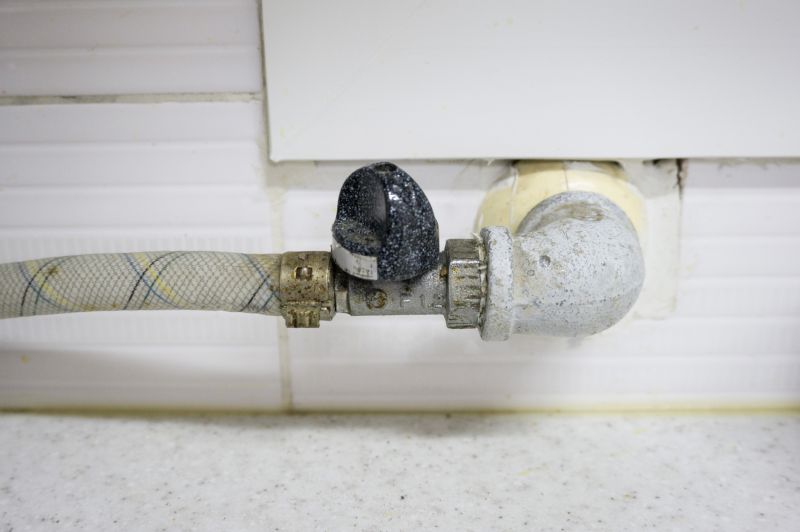
Propane line installation is a common project for property owners who are upgrading or adding new appliances that rely on propane, such as outdoor grills, heating systems, or generators. Homeowners and business owners in the area might seek these services when expanding their property’s utility options or replacing outdated lines to ensure safe and reliable propane delivery. Local contractors are experienced in handling these installations efficiently, helping property owners meet their needs for convenience and functionality.
In many cases, property owners look for propane line services to address safety concerns or to comply with local codes and regulations. Whether installing new lines for a renovation project or repairing existing ones, local service providers can assist with the proper setup and connections. These professionals can ensure that the propane system operates safely and effectively, offering peace of mind for those relying on propane for heating, cooking, or other essential functions.
What is involved in propane line installation? Propane line installation typically includes planning the route, digging trenches if necessary, and connecting the propane supply to appliances or tanks. It’s important to ensure proper placement and secure connections for safety and functionality.
Are there different types of propane lines used for installation? Yes, various types of propane lines, such as flexible hoses and rigid piping, are used depending on the application and local building codes. Local contractors can recommend the best options for specific needs.
How do local service providers ensure the safety of propane line installation? Professional contractors follow safety standards and best practices during installation, including proper connection techniques and leak testing, to help ensure a safe and reliable propane system.
Can propane lines be installed outdoors and indoors? Yes, propane lines can be installed both outdoors and indoors, with appropriate materials and methods suited for each environment. Local pros can handle installations in various locations.
What should be considered when choosing a contractor for propane line installation? It’s important to select experienced local contractors who specialize in propane systems, have good references, and follow safety and code requirements for proper installation.
Propane Line Installation for Outdoor Kitchens - Property owners can expand their outdoor cooking areas by installing propane lines for grills, fire pits, or outdoor appliances.
Heating System Upgrades - Local contractors can help set up propane lines to support space heaters or water heaters for improved home comfort.
Backup Power Solutions - Installing propane lines allows property owners to connect generators for reliable emergency power during outages.
Swimming Pool and Spa Equipment - Propane lines can be used to fuel pool heaters or spa systems, enhancing outdoor leisure experiences.
If you are thinking about Propane Line Installation for a property, this guide is meant to help you understand the work, the typical project types, and how different options might fit your plans.
When you are ready, you can use the quote form on this page to share a few details about your project. From there, local pros can review the basics and respond with options that match what you have in mind.