Plumbing Line Repair in Denver, CO
Plumbing line repair services address issues related to damaged or deteriorating pipes that supply water throughout a home. This service covers a variety of projects, including fixing leaks, replacing corroded or broken pipes, and restoring proper water flow. Property owners typically seek plumbing line repairs when experiencing low water pressure, unusual noises, or visible water damage, and they want to understand the scope of work involved, potential causes of the problem, and the expected outcomes before requesting assistance.
Before requesting plumbing line repair, homeowners should consider the location and extent of the issue, whether the problem appears to be isolated or widespread, and if there are any signs of ongoing leaks or pipe corrosion. Understanding the age of the plumbing system and any recent changes or repairs can also help determine the best approach. Clear communication about these details can ensure that the repair process is efficient and that the property’s plumbing system functions reliably afterward.
Many property owners in Denver, CO look into Plumbing Line Repair for repairs, replacements, upgrades, and appearance-related improvements.
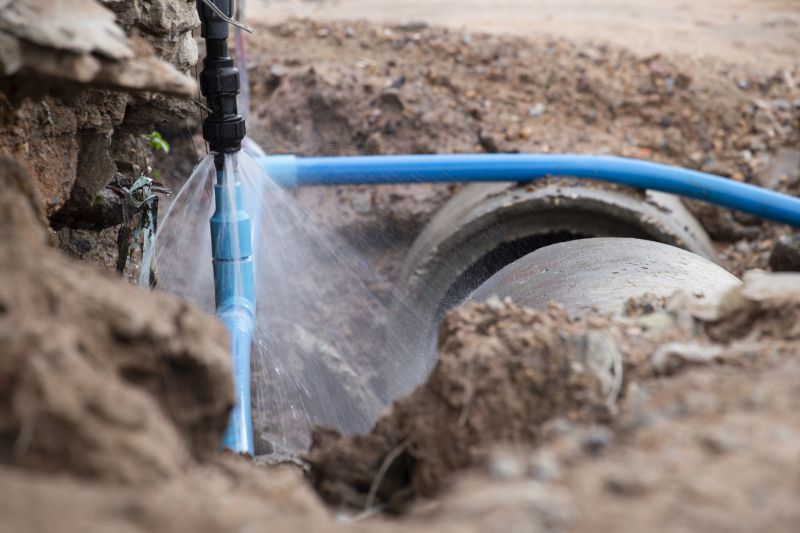
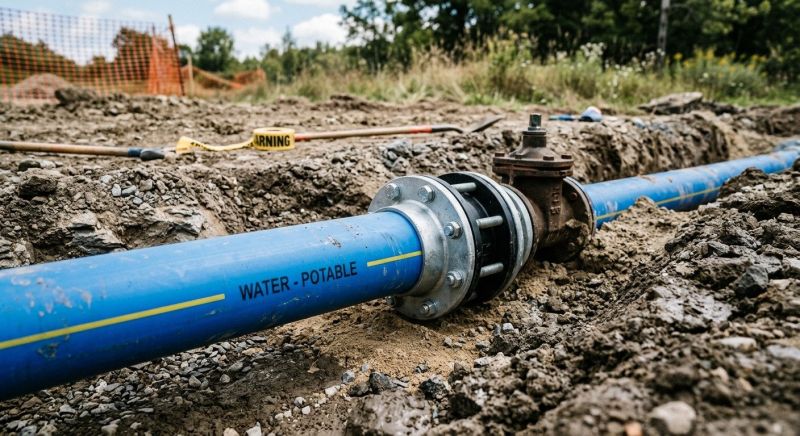
Identifying Pipe Leaks
Detecting hidden leaks early helps prevent water damage and costly repairs in denver homes.
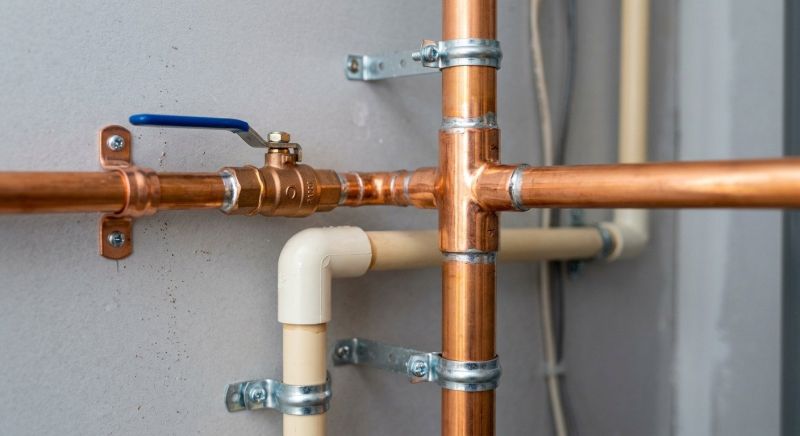
Replacing Old Pipes
Upgrading aging plumbing lines ensures reliable water flow and reduces the risk of future failures.
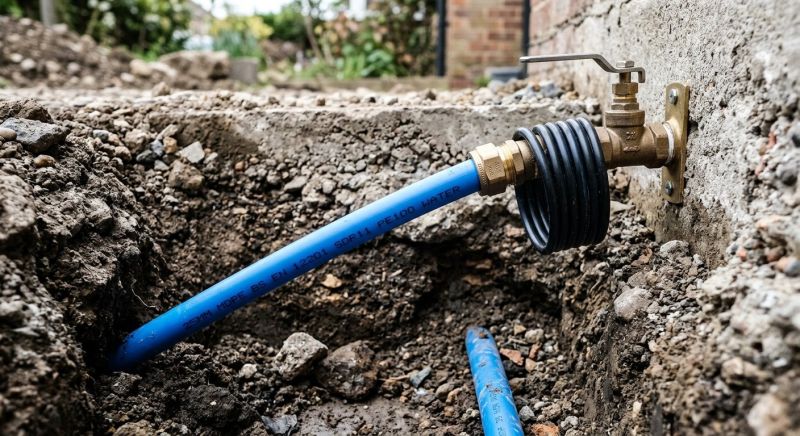
Restoring Water Flow
Comprehensive repairs restore proper water pressure and eliminate persistent clogs in residential and commercial properties.
Plumbing Line Repair in Denver, CO

Plumbing line repair services address issues related to damaged or deteriorating pipes that supply water throughout a home. This service covers a variety of projects, including fixing leaks, replacing corroded or broken pipes, and restoring proper water flow. Property owners typically seek plumbing line repairs when experiencing low water pressure, unusual noises, or visible water damage, and they want to understand the scope of work involved, potential causes of the problem, and the expected outcomes before requesting assistance.
Before requesting plumbing line repair, homeowners should consider the location and extent of the issue, whether the problem appears to be isolated or widespread, and if there are any signs of ongoing leaks or pipe corrosion. Understanding the age of the plumbing system and any recent changes or repairs can also help determine the best approach. Clear communication about these details can ensure that the repair process is efficient and that the property’s plumbing system functions reliably afterward.
Many property owners in Denver, CO look into Plumbing Line Repair for repairs, replacements, upgrades, and appearance-related improvements.
Common Plumbing Line Repair Jobs
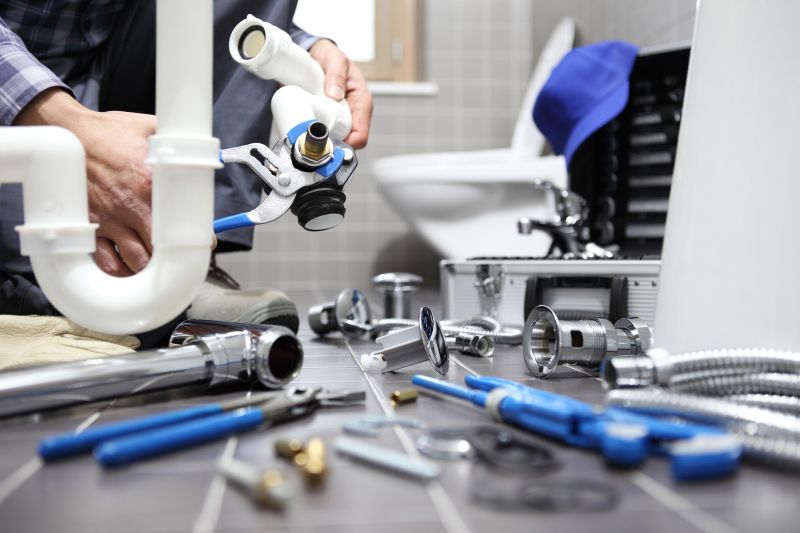
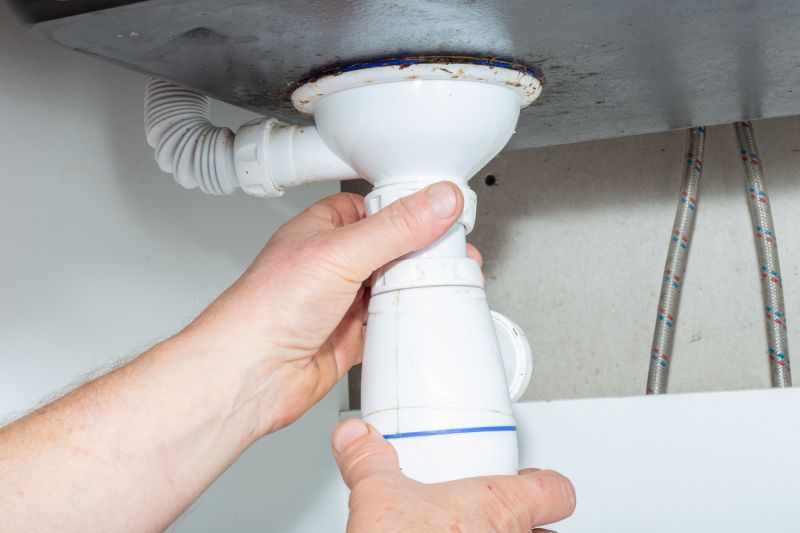
Leaking Pipe Repairs - addressing drips and leaks to prevent water damage and reduce waste.
Burst Pipe Replacement - replacing frozen or burst pipes to restore proper water flow.
Pipe Re-routing - modifying plumbing layouts to improve system efficiency and access.
Corrosion and Rust Repair - fixing deteriorated pipes to prevent future leaks and blockages.
Clogged Line Clearing - removing obstructions to restore proper drainage and prevent backups.
Pipe Insulation Services - insulating pipes to prevent freezing and improve energy efficiency.
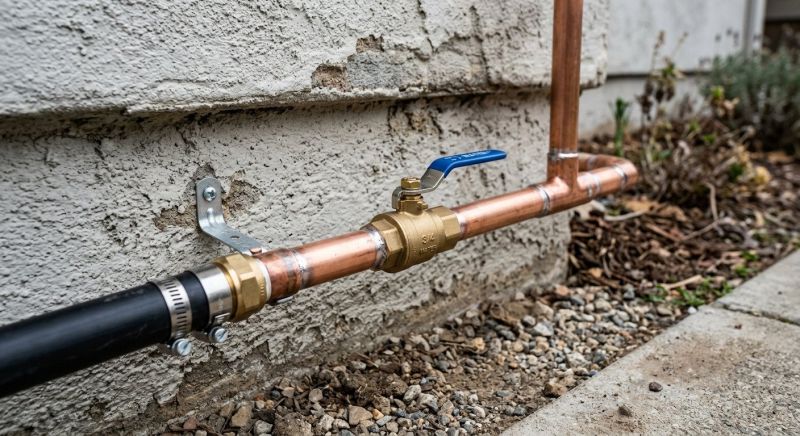
Plumbing Line Repair Questions
What are common signs of a plumbing line issue? Signs include slow drains, gurgling sounds, unpleasant odors, or water backups in fixtures.
What causes plumbing line problems? Issues often result from tree roots, corrosion, sediment buildup, or shifting soil affecting pipes.
What types of plumbing line repairs are available? Repairs can involve pipe patching, replacement of damaged sections, or complete pipe rerouting.
How can property owners prevent plumbing line issues? Regular inspections, avoiding chemical drain cleaners, and managing tree root growth help prevent problems.
Request Plumbing Line Repair in Denver, CO
Use the quote form on this page to share the basics of your project and request more information for the type of work you need.